Sale Price:
$3.00
Original Price:
$5.25
This interesting and attractive perennial has been grown since ancient times for its shikonin filled roots. Shikonin works double time offering medicinal value in addition to its marvelous, sophisticated purple dye.
Our seeds have always germinated well and the plants thrive in the western foothills of the Cascade Mountain Range. The roots take a couple years to reach usable sizes, but the good news is that you don’t need to do anything but wait around, enjoying your lovely plants.
Once you’ve grown some roots, they can be gently dried and stored for later use. Some tips I’ve learned from studying the traditional Japanese methods:
1) For purples, use no heat or almost no heat. The purple breaks down into gray (check out our ink) even at the very low temperatures used to reduce ink batches. Roots must be soaked, kneaded, and allowed to steep for an extended period of time.
2) Use aluminum based mordants. Historically this would have been from wood ash/lye, but alum works well and should give you purples on all natural fibers.
3) Take your time with both extraction and application. Like so many Japanese traditions, it requires patience and dedication, but the results are wonderful and satisfying.
Murasaki (Lithospermum erythrorhizon) comes in packets of 25-30 seeds each.
Feeling impatient? Murasaki plant starts or dried roots are sometimes available, just ask: Whitney@westwoodcolor.com
This interesting and attractive perennial has been grown since ancient times for its shikonin filled roots. Shikonin works double time offering medicinal value in addition to its marvelous, sophisticated purple dye.
Our seeds have always germinated well and the plants thrive in the western foothills of the Cascade Mountain Range. The roots take a couple years to reach usable sizes, but the good news is that you don’t need to do anything but wait around, enjoying your lovely plants.
Once you’ve grown some roots, they can be gently dried and stored for later use. Some tips I’ve learned from studying the traditional Japanese methods:
1) For purples, use no heat or almost no heat. The purple breaks down into gray (check out our ink) even at the very low temperatures used to reduce ink batches. Roots must be soaked, kneaded, and allowed to steep for an extended period of time.
2) Use aluminum based mordants. Historically this would have been from wood ash/lye, but alum works well and should give you purples on all natural fibers.
3) Take your time with both extraction and application. Like so many Japanese traditions, it requires patience and dedication, but the results are wonderful and satisfying.
Murasaki (Lithospermum erythrorhizon) comes in packets of 25-30 seeds each.
Feeling impatient? Murasaki plant starts or dried roots are sometimes available, just ask: Whitney@westwoodcolor.com

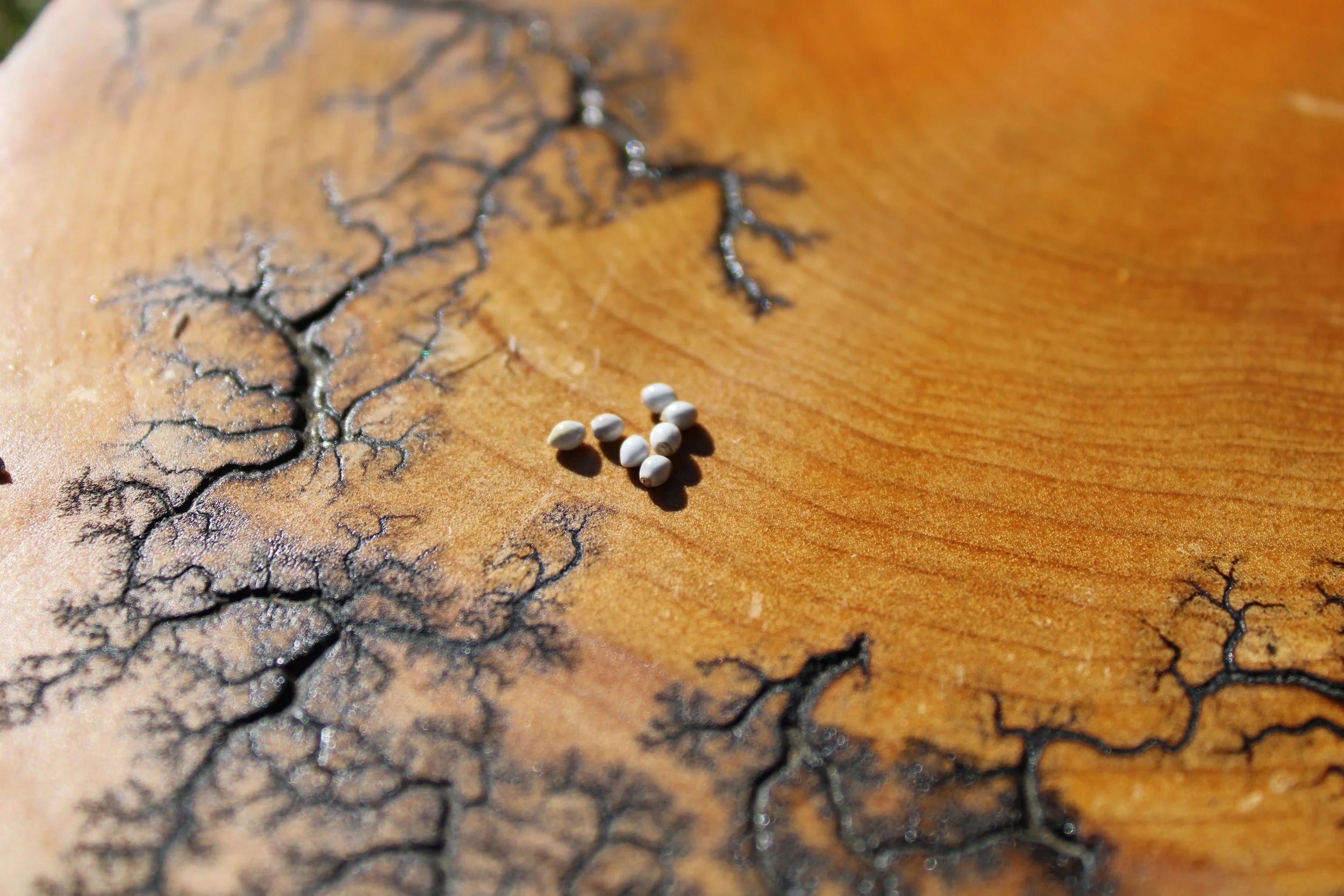 Image 1 of 6
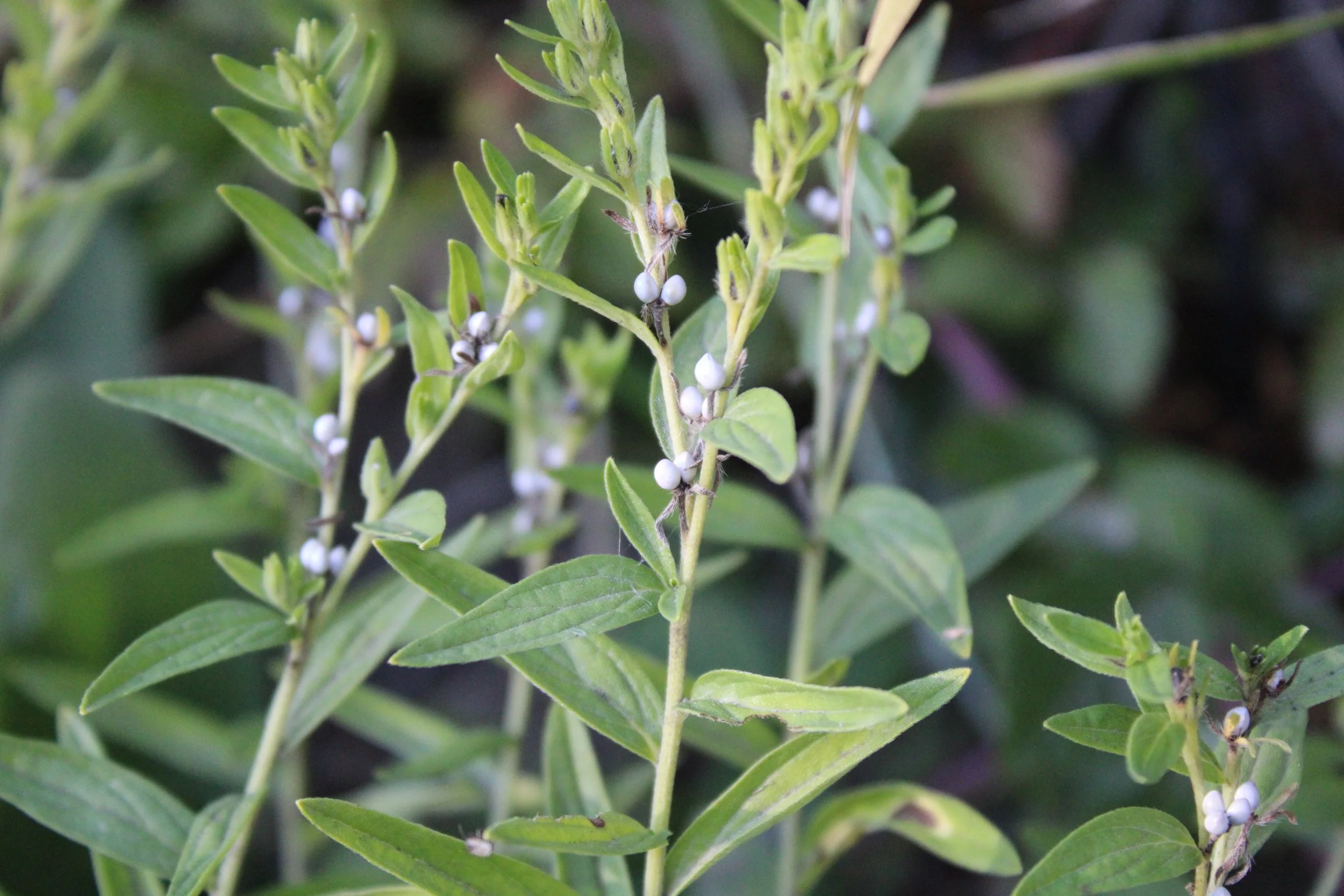 Image 2 of 6
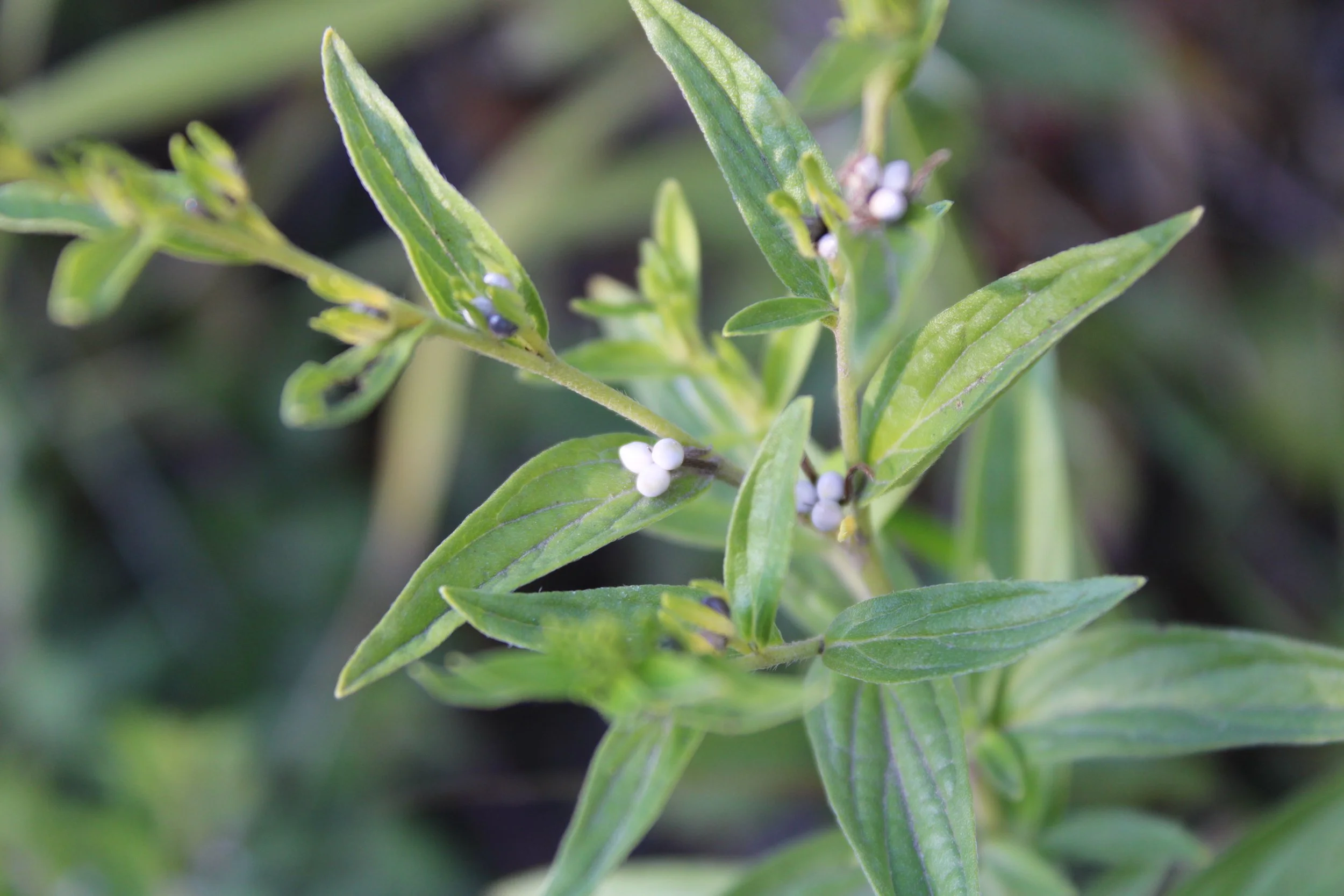 Image 3 of 6
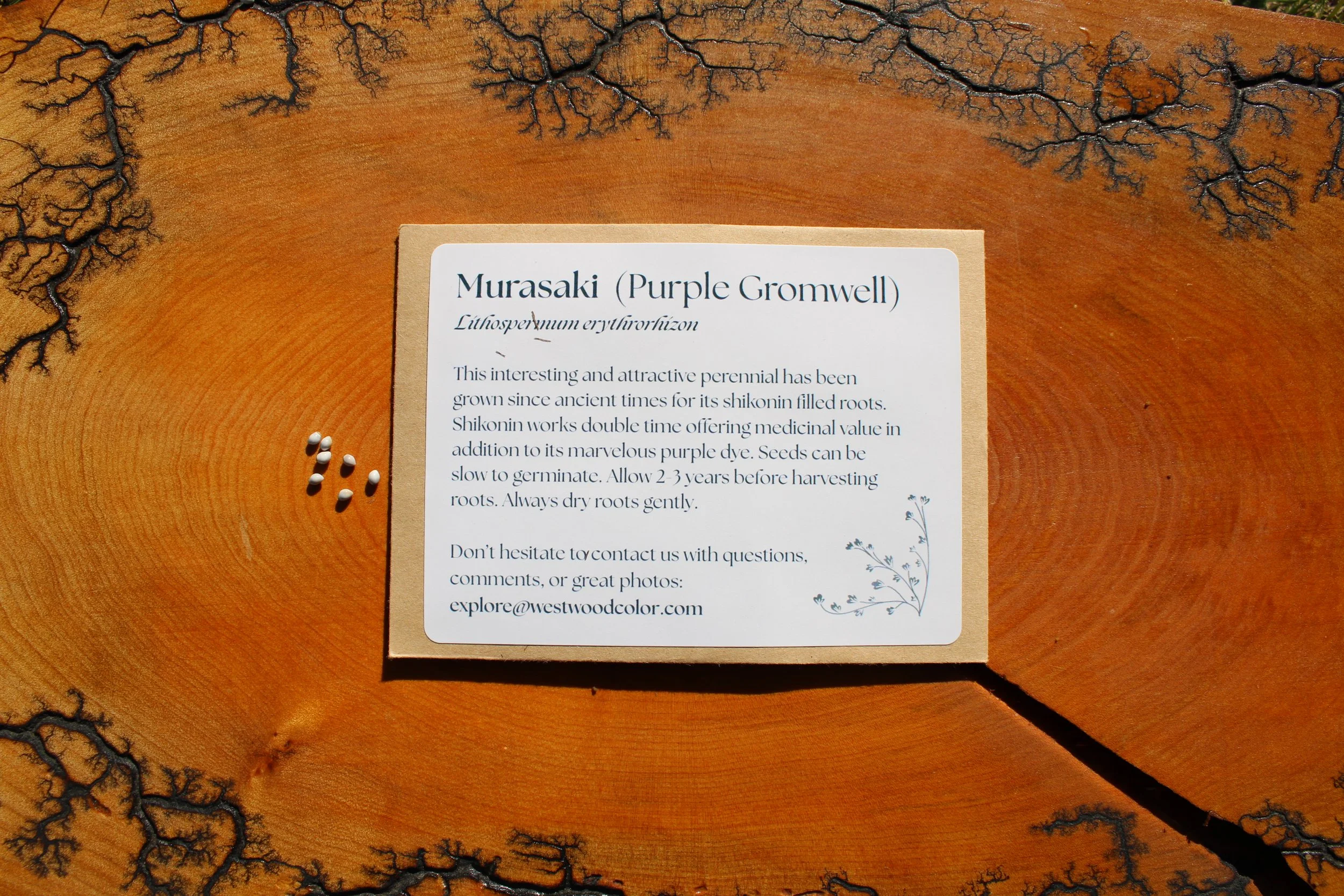 Image 4 of 6
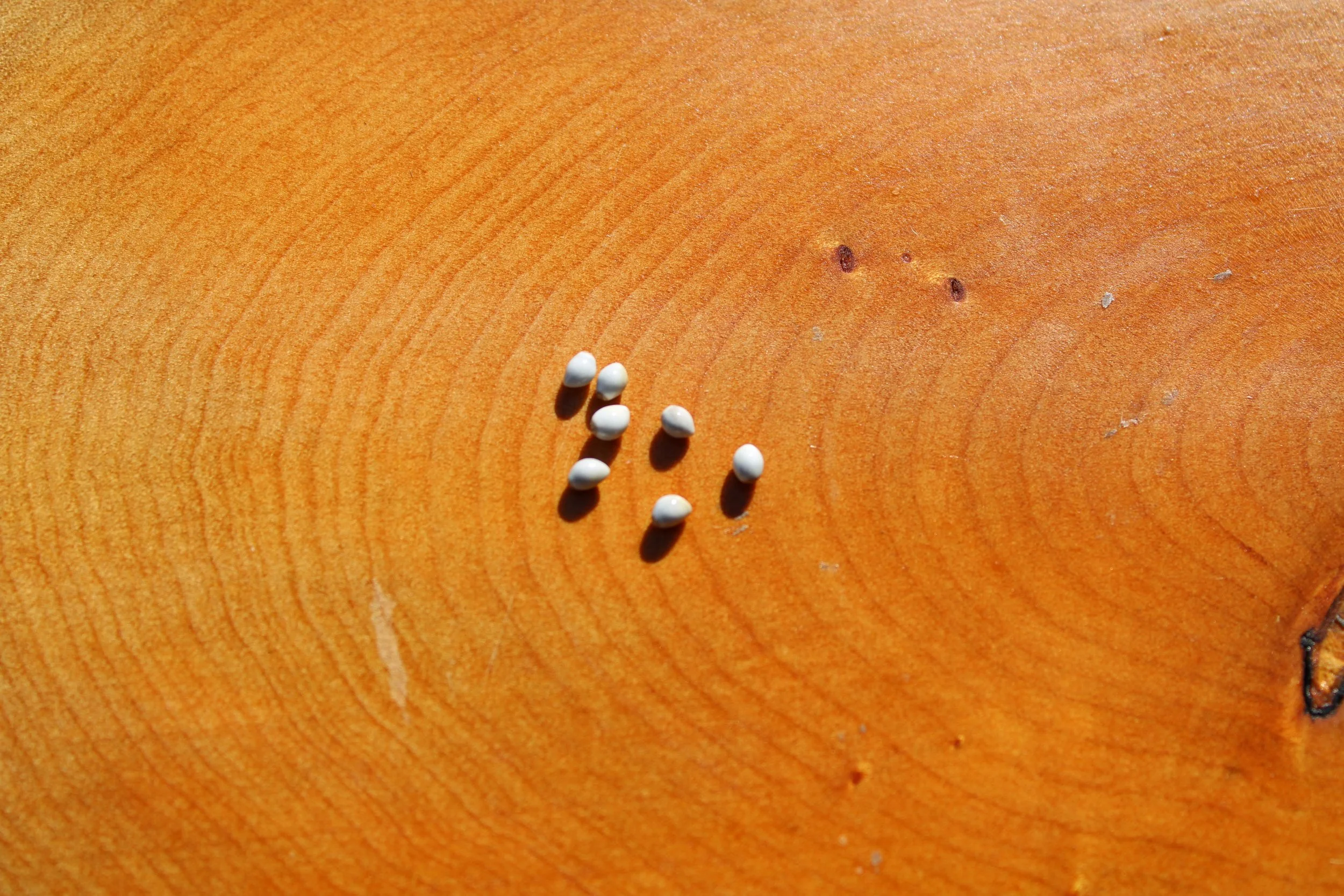 Image 5 of 6
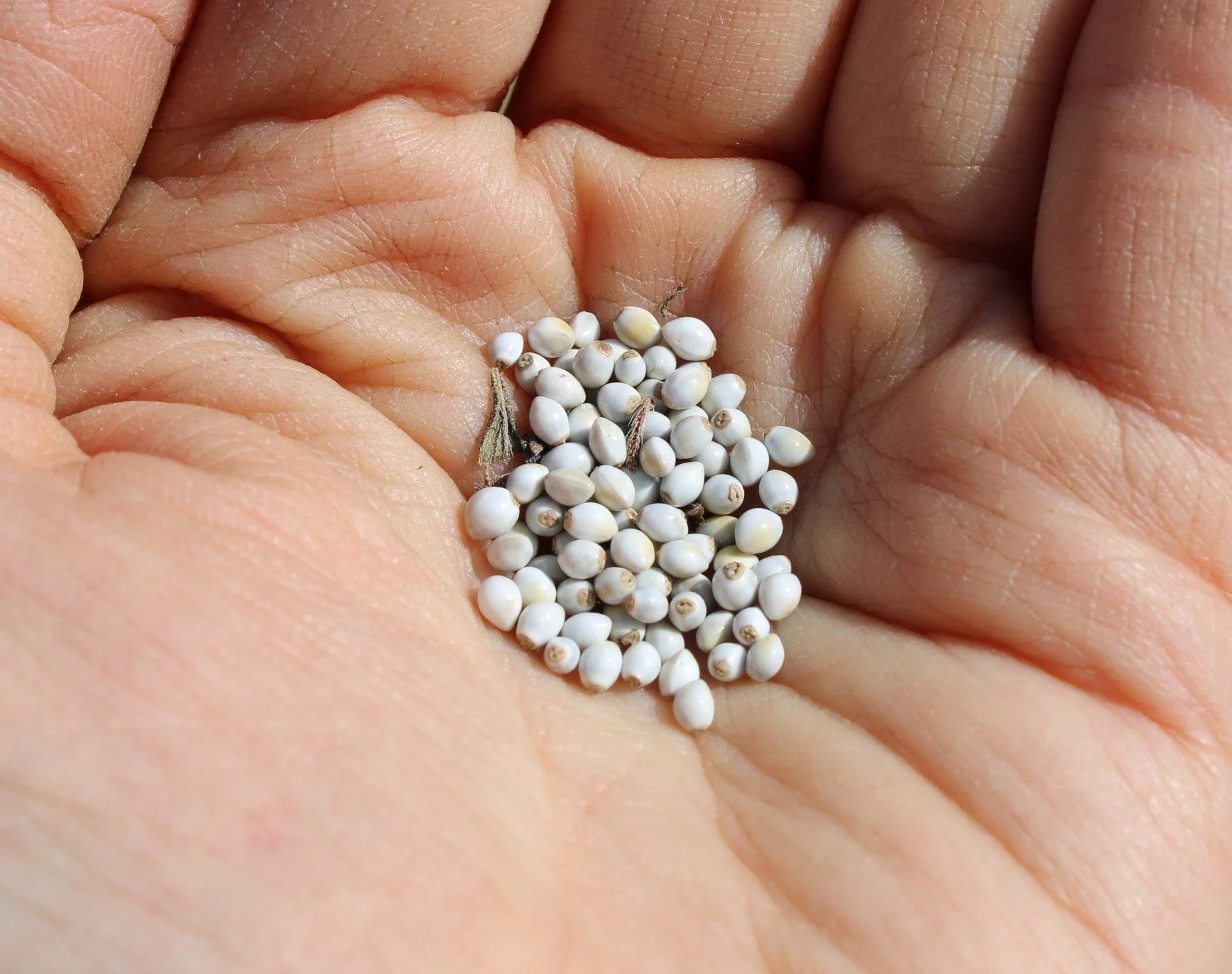 Image 6 of 6