Image 1 of 2
 Image 2 of 2
This generous plant rewards the world with delicious food, nourishing tea, and beautiful natural color.
Wild Black Raspberry, or ‘Blackcaps’ provide abundant, flavorful fruit that is top notch for gourmet jellies and pastry fillings.
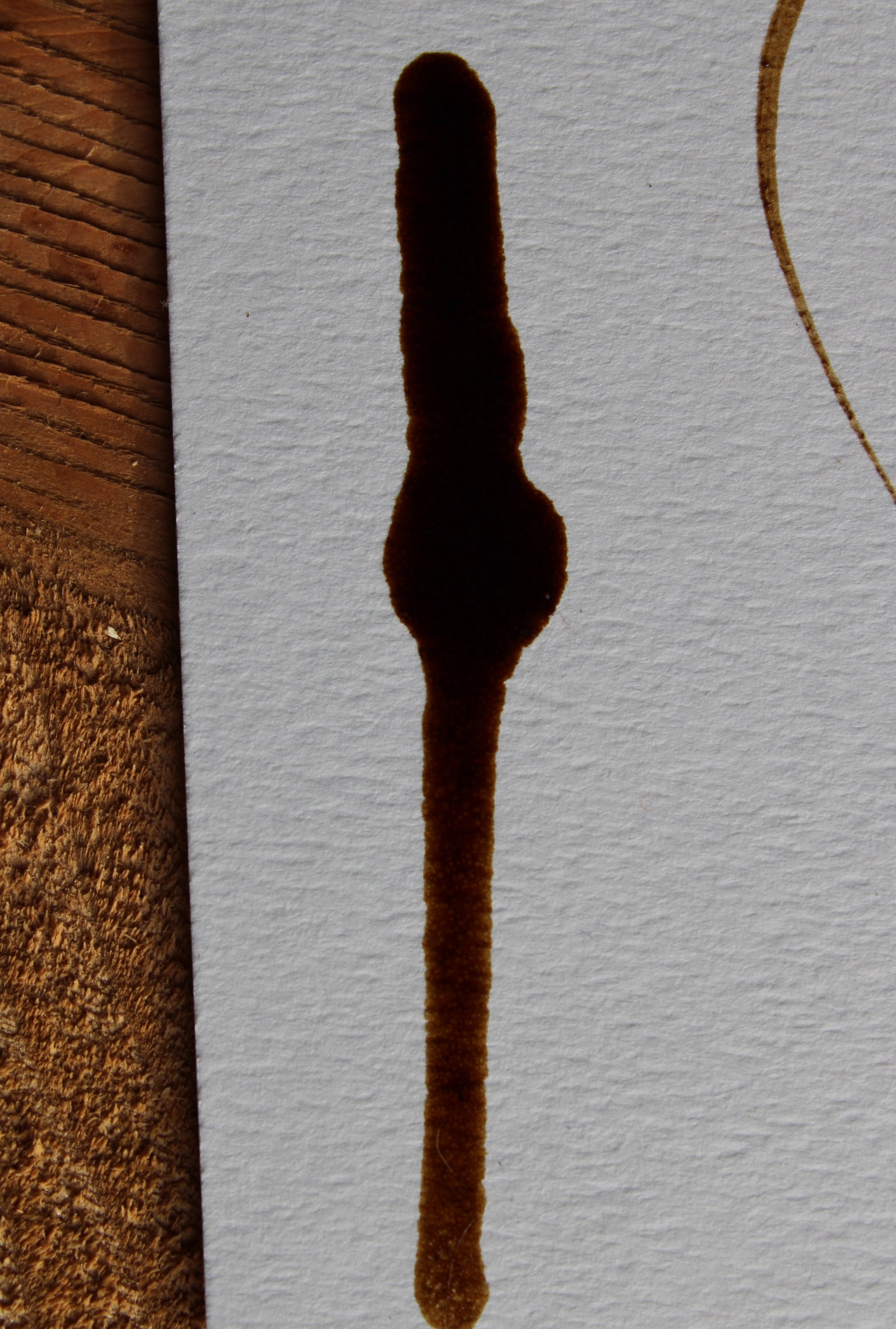
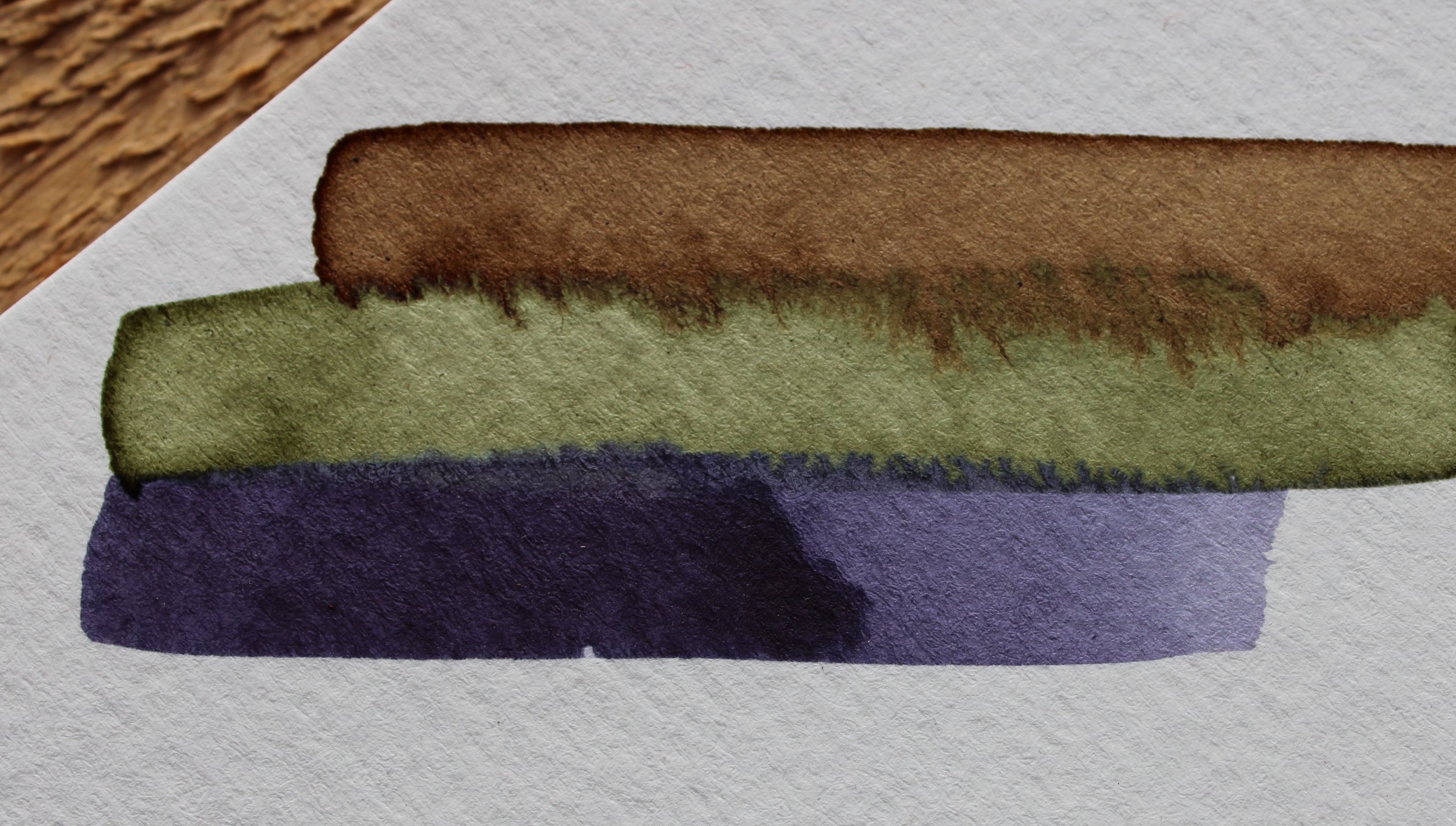
Save your jelly pulp to make an intense purple or magenta ink perfect for painting, drawing, or staining wood.
The leaves make superb herbal teas and tinctures. To make Westwood Color’s house tea: 1 part nettle leaf, 1 part raspberry leaf, and few choice blossoms such as red clover or chamomile. Simple and satisfying, hot or cold.
GROWING TIPS: Blackcaps grow easily in full sun and need minimal water once established. The vines prefer to shoot into the sky for 6 or seven feet and then arch over, sometimes to the ground. They produce well this way, but shorter bushes are easily maintained by trimming the new canes toward the end of the growing season-this is a great time to collect your tea leaves. Cut out 2nd year canes once they have finished fruiting. A single cane will eventually fill out 4’ x 4’ space and you’ll likely have plenty of volunteers to expand your patch, share with a friend, or gather for the tea pot.
We offer our Pacific Northwest Native Black Raspberry, rubus leucodermis. You’ll receive a well-rooted 2nd year cane, freshly retrieved from our gardens. MORE IMAGES COMING SOON!
Questions? Ask them! whitney@westwoodcolor.com
This generous plant rewards the world with delicious food, nourishing tea, and beautiful natural color.
Wild Black Raspberry, or ‘Blackcaps’ provide abundant, flavorful fruit that is top notch for gourmet jellies and pastry fillings.
Save your jelly pulp to make an intense purple or magenta ink perfect for painting, drawing, or staining wood.
The leaves make superb herbal teas and tinctures. To make Westwood Color’s house tea: 1 part nettle leaf, 1 part raspberry leaf, and few choice blossoms such as red clover or chamomile. Simple and satisfying, hot or cold.
GROWING TIPS: Blackcaps grow easily in full sun and need minimal water once established. The vines prefer to shoot into the sky for 6 or seven feet and then arch over, sometimes to the ground. They produce well this way, but shorter bushes are easily maintained by trimming the new canes toward the end of the growing season-this is a great time to collect your tea leaves. Cut out 2nd year canes once they have finished fruiting. A single cane will eventually fill out 4’ x 4’ space and you’ll likely have plenty of volunteers to expand your patch, share with a friend, or gather for the tea pot.
We offer our Pacific Northwest Native Black Raspberry, rubus leucodermis. You’ll receive a well-rooted 2nd year cane, freshly retrieved from our gardens. MORE IMAGES COMING SOON!
Questions? Ask them! whitney@westwoodcolor.com